Precision aluminum casting is shaping the future of manufacturing in this article.
Wiki Article
Exactly How Recycled Metals Power Sustainable Production in Today's Light weight aluminum Foundries
The aluminum sector is undertaking a substantial transformation driven by the adoption of recycled steels. This shift not only enhances power efficiency but additionally lessens environmental influence. Innovations in reusing innovation are crucial in this process, guaranteeing the quality of recycled light weight aluminum satisfies sector standards. As the demand for lasting manufacturing rises, it raises inquiries about the future of light weight aluminum foundries and their duty in a circular economic situation. What are the effects for production methods?The Importance of Recycling in the Light Weight Aluminum Industry
Reusing plays an essential role in the aluminum sector, significantly minimizing the ecological effect associated with metal manufacturing. The procedure of recycling aluminum requires considerably less energy contrasted to key manufacturing, utilizing approximately 95% much less power and causing reduced greenhouse gas emissions. This energy performance not just conserves natural sources but also decreases the eco-friendly impact of aluminum manufacturing. Recycling light weight aluminum adds to a circular economic situation, where products are continuously repurposed, therefore decreasing the need for virgin materials. The light weight aluminum market take advantage of the high worth of recycled light weight aluminum, which is commonly liked due to its quality and decreased environmental cost. As even more markets and customers choose for recycled products, the demand for recycled aluminum remains to expand, promoting lasting techniques. On the whole, reusing is not just a cost-efficient option; it is a crucial component in promoting environmental sustainability and strengthening the aluminum sector's future
Technologies in Recycling Technology
As the aluminum market progresses, advancements in recycling technology are changing the means recycled steels are refined and used. Advanced sorting methods, such as automatic optical sorting, currently make it possible for foundries to successfully compare different aluminum grades, guaranteeing higher purity in recycled materials. Additionally, the implementation of hydrometallurgical processes enables the extraction of aluminum from intricate waste streams, improving overall recuperation rates.
Additionally, the integration of expert system and machine learning in recycling procedures enhances decision-making and functional efficiency. These innovations maximize the recycling procedure by forecasting material flows and determining possible inadequacies.
The growth of closed-loop recycling systems reduces product loss and sustains continuous use of light weight aluminum items. Advancements in chemical recycling approaches are also emerging, making it possible for the recuperation of light weight aluminum from items that were formerly deemed non-recyclable. Jointly, these innovations are setting new criteria for sustainability in light weight aluminum factories, advertising a round economic situation.
Power Performance and Environmental Influence
While the aluminum foundry sector makes strides in reusing innovation, it also encounters pressing challenges relating to energy effectiveness and ecological effect. The manufacturing of aluminum from recycled materials substantially reduces energy usage compared to main aluminum manufacturing, yet several factories still rely upon energy-intensive procedures. These procedures add to greenhouse gas exhausts and environmental degradation, highlighting the need for enhanced techniques.Executing energy-efficient innovations, such as sophisticated melting and casting techniques, can reduce Aluminum Casting Company these effects. In addition, enhancing logistics and investing in sustainable energy sources are vital for minimizing the carbon footprint related to aluminum production. The shift to sustainable practices not only benefits the environment however can also enhance the financial feasibility of foundries, bring in eco mindful consumers and financiers. As the sector advances, prioritizing power effectiveness and lowering ecological injury will certainly be crucial for the long-lasting sustainability of aluminum factories in an open market.
Quality Control in Recycled Light Weight Aluminum Manufacturing
Safeguarding high-grade criteria in recycled aluminum production is vital for preserving the integrity of the last item. This process starts with the mindful option of scrap materials, where impurities such as plastics, finishings, and other metals are thoroughly gotten rid of. Advanced arranging technologies, such as automated systems and hand-operated assessments, play a critical duty in accomplishing this goal.As soon as the scrap is considered appropriate, rigorous melting and spreading processes are utilized, closely monitored to keep temperature level and structure (Precision aluminum casting). Quality guarantee procedures involve regular tasting and screening of the liquified aluminum to detect impurities and ensure it meets sector requirements
Certified high quality management systems are carried out, permitting shops to track manufacturing metrics and copyright compliance with worldwide requirements. By prioritizing quality control throughout the manufacturing cycle, aluminum shops can produce high-performance products that not just fulfill client assumptions however additionally add to lasting manufacturing techniques.
Future Trends in Lasting Light Weight Aluminum Manufacturing
The future of sustainable aluminum production is positioned for substantial improvement, driven by advancements in technology and boosting ecological recognition. Industry leaders are discovering innovative reusing techniques that improve product recuperation and lower waste. The combination of artificial intelligence and artificial intelligence in factories is anticipated to maximize manufacturing processes, making sure reliable usage of sources while decreasing carbon discharges.The usage of renewable power resources, such as solar and wind, is expected to end up being a typical practice in light weight aluminum manufacturing, more reducing the industry's carbon footprint. Cooperation amongst manufacturers, governments, and research organizations is critical to developing lasting practices and developing regulatory frameworks that promote environmentally friendly procedures.

Frequently Asked Questions
What Sorts of Metals Are Typically Recycled Alongside Light Weight Aluminum?
Generally reused metals together with aluminum consist of copper, steel, brass, and zinc. These products are commonly accumulated from numerous resources, including construction websites, auto elements, and consumer items, adding to a circular economic climate and sustainable source administration.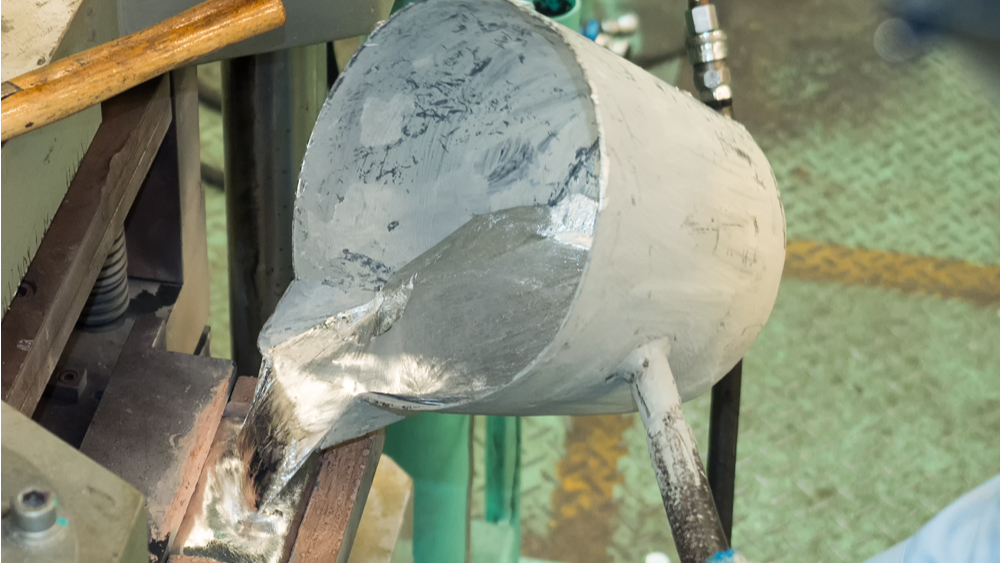
Exactly How Is Recycled Aluminum Different From Main Aluminum?
Recycled light weight aluminum differs from key light weight aluminum in its manufacturing process; it requires considerably much less energy and sends out less greenhouse gases. In addition, recycled aluminum keeps similar residential properties and high quality, making it a lasting alternative for numerous applications.What Are the Economic Conveniences of Making Use Of Recycled Metals?
Making use of recycled metals considerably minimizes manufacturing prices, minimizes energy consumption, and decreases garbage disposal expenses. This method also promotes work production in recycling markets, adding to a more sustainable economic situation while enhancing source efficiency throughout numerous sectors.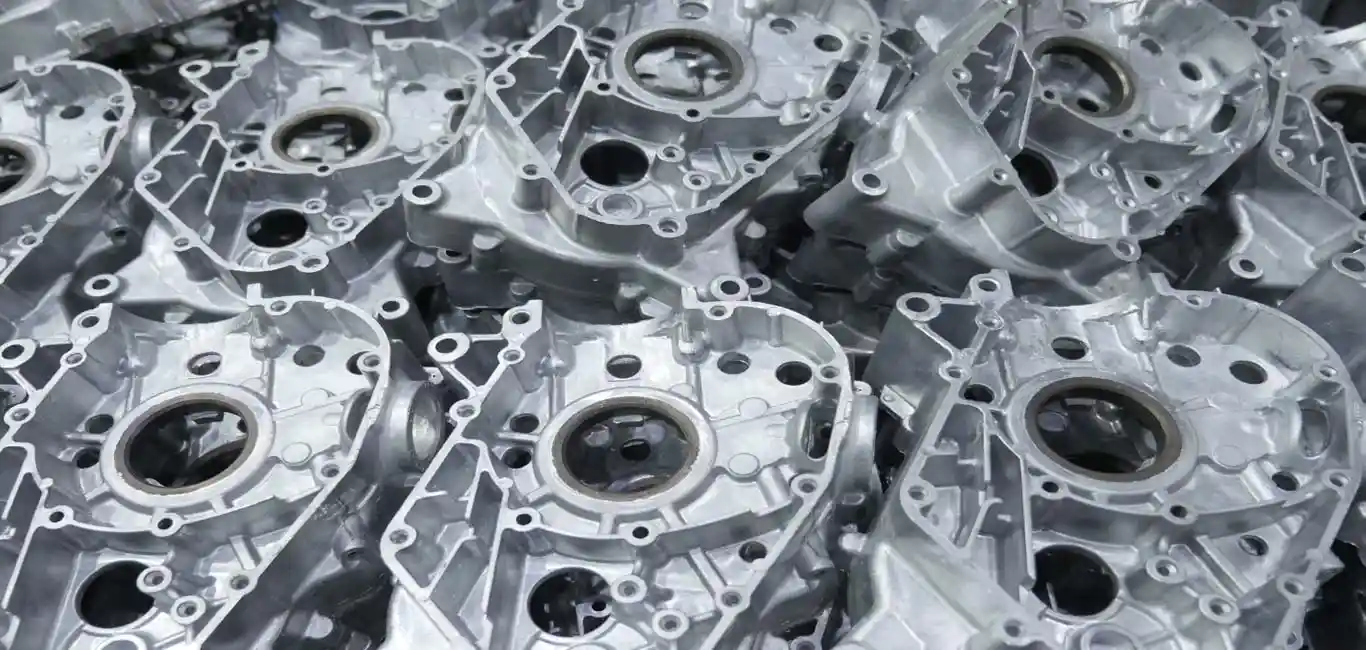
How Does Recycled Light Weight Aluminum Influence Item Design?
Recycled aluminum affects item layout by permitting greater flexibility in dimensions and shapes, reducing weight, and encouraging ingenious techniques. Developers can integrate sustainability flawlessly, boosting looks while decreasing ecological effect and resource consumption.Exist Details Laws for Recycled Aluminum Production?
Yes, specific regulations regulate recycled aluminum production, focusing on environmental criteria, security methods, and reusing procedures. Conformity assurances that suppliers lessen discharges, promote lasting methods, and maintain item top quality throughout the light weight aluminum lifecycle.The light weight aluminum sector benefits from the high value of recycled aluminum, which is often liked due to its quality and decreased ecological expense. As more customers and industries decide for recycled items, the need for recycled light weight aluminum continues to expand, advertising lasting methods. The production of light weight aluminum from recycled materials considerably lowers power usage contrasted to main aluminum manufacturing, yet several shops still rely on energy-intensive processes. Recycled aluminum varies from primary light weight aluminum in its production process; it needs substantially much less energy and sends out less greenhouse gases. Yes, particular regulations govern recycled aluminum manufacturing, focusing on ecological requirements, security methods, and recycling processes.
Report this wiki page